

New Workshop Series with Students from SOSW No. 2 in Gdynia
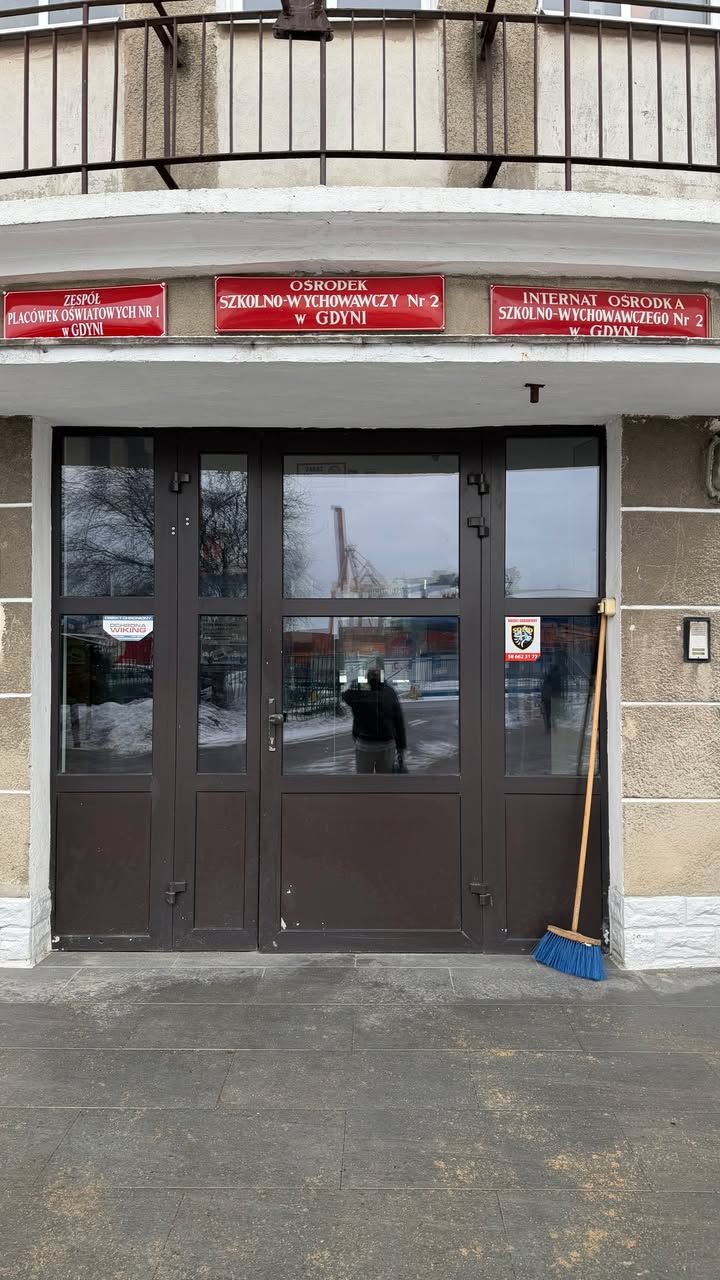
We have successfully completed another series of workshops with students from SOSW No. 2 in Gdynia. Following several sessions dedicated to working with images, text, and video, it is time to move on to a new and crucial topic.
We are launching a module titled: "Understanding and Spotting Fake News."
During our classes, we explain in simple terms what fake news is and where it originates. We discuss real-life situations where young people have encountered misinformation—whether online, on social media, or in conversations with peers and adults. Together, we examine examples of both authentic and false content to identify the differences between them.
Step by step, we explore the characteristic "tricks" used by creators of fake news and practice identifying them through concrete examples. The students work in groups, analyze prepared materials, compare sources, and look for warning signs.
We also introduce tools for fact-checking—how to verify a source, how to find confirmation elsewhere, and what to look for when something "sounds suspicious."
We do not stop at theory. We simulate situations where someone sends us a questionable message or a sensational headline, and we practice how to react, what to verify, and what steps to take next. The students are building their own database of tips—a set of simple guidelines they can refer to whenever they encounter information online.
Our goal is to ensure that these young people feel more confident in their ability to approach what they see on their screens independently, critically, and calmly—making it a little harder for them to be misled.
This project is co-funded by the European Union under the Erasmus+ Programme.
Action type: Youth Participation Activities – Short-term projects (KA154-YOU)
Project title: AI Without Barriers: An Inclusive Approach to Digital Safety!
Application number: 2025-1-PL01-KA154-YOU-000303829